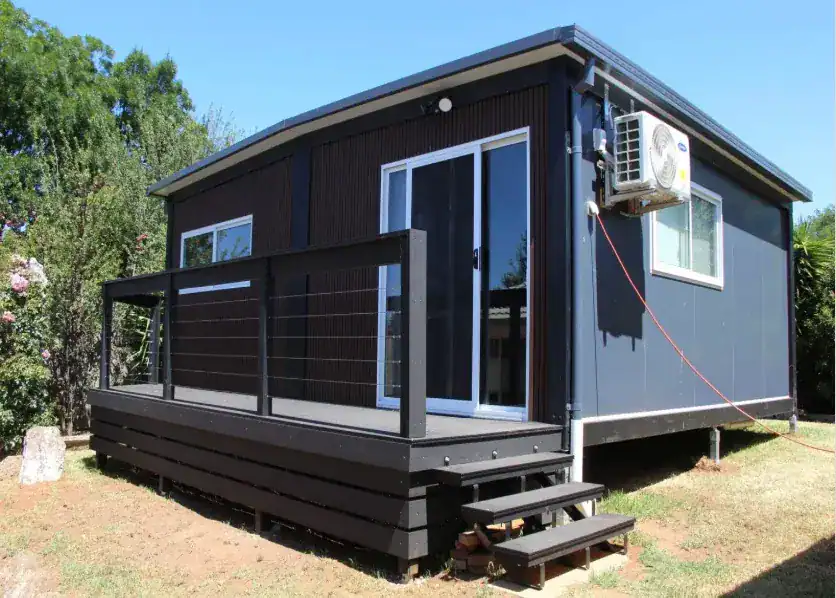
WA'S BEST RANGE OF PORTABLE HOMES
8–10 WEEKS LEAD TIME
WA'S BEST RANGE OF PORTABLE HOMES
8–10 WEEKS LEAD TIME

WA'S BEST RANGE OF PORTABLE HOMES
8–10 WEEKS LEAD TIME
WA'S BEST RANGE OF PORTABLE HOMES
8–10 WEEKS LEAD TIME
Home / Council
Home / Council

Finding your pathway

An overview of the rules & regulations

Approval rules for portable housing vary across Australia, with no single national standard. Each state and often each local council applies different requirements based on zoning, site conditions, intended use, bushfire and wind exposure, and how a structure is classified.

Because of this, the same unit can be treated very differently depending on where it is placed. What is straightforward in one council area may involve extra steps in another, which often causes confusion for buyers.

This guide gives a clear overview of common approval pathways and how councils typically assess portable housing, helping you understand what may apply to your site.

SmartShift Portables also offers an optional, paid council approval service. We manage the process for your specific site, working with experienced professionals to reduce uncertainty and help you move forward with confidence.

Caravan (Temporary)

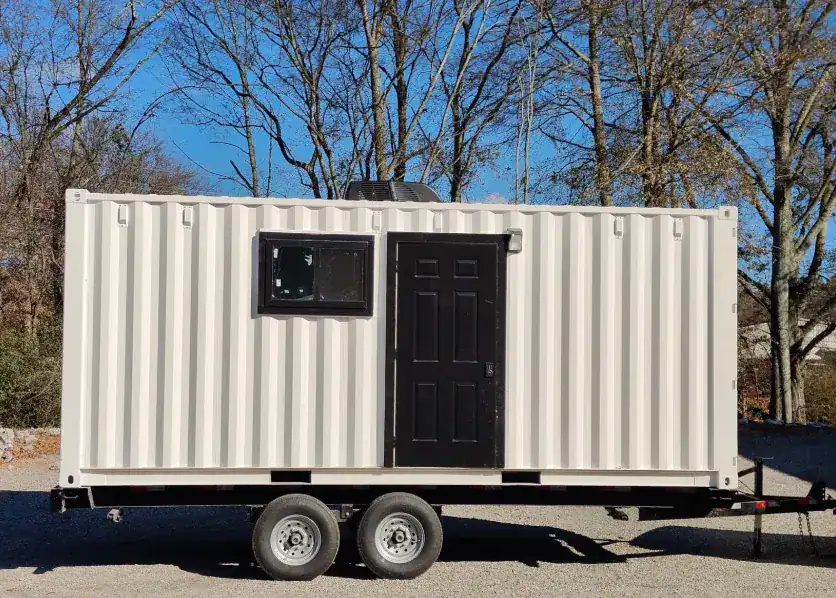
A unit may be classed as a caravan when it is built on or attached to a compliant trailer and remains moveable. This pathway is the most common for individuals wanting quick setup and minimal paperwork.

Attributes
Advantages
Regulations

Placed on a trailer (VSB1 & ADR compliant)

Often no approval needed

VSB1 - Australian trailer standards

Detachable services (power, water, waste)

Flexible setup

ADR - National vehicle & trailer safety rules

Structure remains moveable 

Faster Installation

AS/NZS 3001 + 3000 - Caravan & general electrical rules

No fixed footings or permanent installation

Lower compliance burden

AS/NZS 3500 - Plumbing & drainage

Suitable for studios, offices & temporary living

SAA / Global-Mark electrical certification

Class 1A (Permanent)

A unit is considered a Class 1A dwelling when it becomes permanent — usually by being placed on fixed footings, tied down structurally, or connected to permanent services such as stormwater or sewer.

Attributes
Requirements
Regulations

Permanent installation

Development Application (DA) or planning approval

National Construction Code (NCC) Class 1A

Built to NCC building standard

Building permit

AS/NZS 1170 - Structural design actions

Fixed footings, piers or slab

Full engineering (structural, wind regions, footings)

Wind region compliance

Permanent sewer / stormwater connection

Setback and height compliance

BAL ratings (bushfire zones, if applicable)

Energy efficiency rating (NCC 7-star in many regions)

Local council planning policy

Caravan (Temporary)

Key attributes
Advantages
Regulations

Placed on a trailer (VSB1 & ADR compliant)

Often no approval needed

VSB1 - Australian trailer standards

Detachable services (power, water, waste)

Flexible setup

ADR - National vehicle & trailer safety rules

Structure remains moveable 

Faster Installation

AS/NZS 3001 + 3000 - Caravan & general electrical rules

No fixed footings or permanent installation

Lower compliance burden

AS/NZS 3500 - Plumbing & drainage

Suitable for studios, offices & temporary living

SAA / Global-Mark electrical certification

A unit may be classed as a caravan when it is built on or attached to a compliant trailer and remains moveable. This pathway is the most common for individuals wanting quick setup and minimal paperwork.

Class 1A (Permanent)

A unit is considered a Class 1A dwelling when it becomes permanent — usually by being placed on fixed footings, tied down structurally, or connected to permanent services such as stormwater or sewer.

Key attributes
Requirements
Regulations

Permanent installation

Development Application (DA or planning approval

National Construction Code (NCC) - Class 1A

Built to NCC building standard

Building permit

AS/NZS 1170 - Structural design actions

Fixed footings, piers or slab

Full engineering (structural, wind regions, footings)

Wind region standards

Permanent sewer/stormwater connection

Setback and height compliance

BAL ratings (bushfire zones, if applicable)

Energy efficiency compliance (NCC 7-star in many regions)

Local council planning policy

How SmartShift helps

you get approved

Application Setup

We coordinate what is needed to support your application so it is aligned with local requirements and ready to move forward without unnecessary back and forth.

Council Coordination

We handle communication between the relevant parties and council, keeping the process moving and guiding your application through to approval.

Site Review

We review your site, layout, and intended use to confirm how your unit is likely to be assessed and what approval pathway makes the most sense for your situation.

you get approved

How we help

Application Setup

We coordinate what is needed to support your application so it is aligned with local requirements and ready to move forward without unnecessary back and forth.

Council Coordination

We handle communication between the relevant parties and council, keeping the process moving and guiding your application through to approval.

Site Review

We review your site, layout, and intended use to confirm how your unit is likely to be assessed and what approval pathway makes the most sense for your situation.